Jobs in Movies & TV: How to Get Into the Industry and Build a Lasting Career
Education
Movies and TV aren’t just entertainment. They’re where dreams come to life. If you’ve ever imagined yourself acting on screen, writing scripts, or directing a big Netflix hit, the film and television industry is full of possibilities. Breaking in takes talent, training, and persistence, but it starts with one bold step.
For many, that means heading to Los Angeles, where creativity and opportunity collide. Whether you’re drawn to the spotlight or the work behind the scenes, this guide will show you how to get started and how to build a career that lasts in film and TV.
Getting started in film and TV can feel overwhelming, but many professionals began with nothing more than a big dream, a love of storytelling, and a strong work ethic. Here’s how you can take your first steps into the world of movie industry jobs:
The film and TV industry includes a wide variety of careers. Some are focused on performance, while others center on storytelling or production. Whether or not you opt for formal education, you will want to choose a concentration early on.
At AMDA, students select one of three tracks within the Film & TV Arts program:
Filmmaking: For students drawn to directing, editing, producing, or cinematography.
On-Camera Acting: For students interested in acting for film, television, and digital media.
Screenwriting: For storytellers who want to develop scripts for visual media.
Each track leads to unique film and TV careers and gives you hands-on experience tailored to your creative goals.
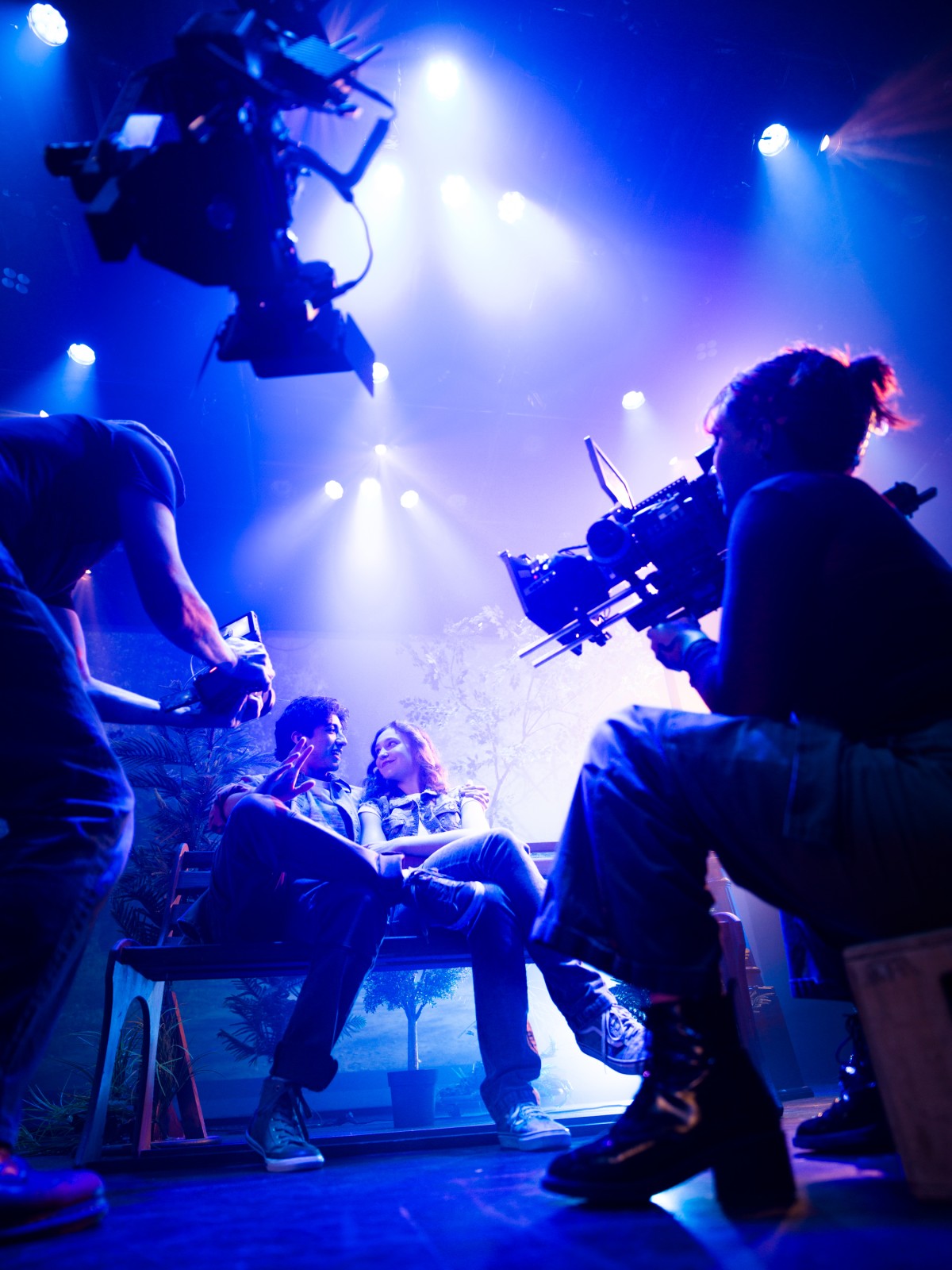
No matter which path you choose, learning by doing is essential. AMDA’s curriculum emphasizes experiential learning through on-camera workshops, student film productions, collaborative storytelling projects, and the use of professional-grade film equipment.
Students graduate with original, professional-quality content, reels, scripts, or short films that can be used to pursue jobs, internships, and representation.

Actors, filmmakers, and screenwriters all need a way to showcase their skills to future collaborators, casting directors, or employers. This is where your reel or portfolio comes in.
If you’re an actor, your reel is a short video of your strongest on-camera performances, demonstrating your range and personality.
If you’re a filmmaker, your reel includes edited clips of your best directing, cinematography, or editing work.
If you’re a screenwriter, you’ll need a portfolio—a collection of your best scripts and writing samples that show your voice, structure, and storytelling ability.
A standout reel or portfolio is your calling card when applying for auditions, internships, and entry-level jobs in media production. It shows what you can do before you even walk into the room.
Pro Tip: Keep your reel under two minutes, open with your strongest work, and update it regularly to reflect your growth.
You don’t need to land a starring role or direct a feature film to get started. In fact, many professionals begin their careers in entry-level positions like:
Casting assistant (On-Camera Acting): Supports the casting process and interacts with actors.
Grip or camera assistant (Filmmaking): Works with the lighting and camera teams.
Production assistant (all tracks): Helps with coordination and setup on film or TV sets.
Script Reader and Coverage (Screenwriting): Reviews scripts and provides feedback.
These early film jobs give you a front-row view of how sets run and help you build connections for future movie and TV industry jobs.
In the film world, your network is as important as your resume. Attend festivals, talk to filmmakers, and take part in industry panels and showcases. Online platforms like Backstage can help you connect with fellow creatives, post projects, or find collaborators.
Make sure you are consistently creating. Many successful actors, directors, and writers got their start by making their own short films or web series. By creating your own content, you demonstrate initiative and showcase your unique voice.

Interested in movies and TV but unsure where you fit in? Here’s a breakdown of film and TV industry jobs based on different strengths and interests:
Creative visual thinkers may consider jobs such as cinematographer, production designer, or storyboard artist.
Organized and detail-oriented? Working as a producer, assistant director, or script supervisor could be right for you.
Strong communicators will thrive as actors, directors, or casting associates.
If you’re technically skilled, pursue careers as an editor, sound mixer, or colorist.
Writers and storytellers often thrive in movie and TV careers like screenwriter, script consultant, or development executive.
Every role, on-camera or off, helps bring the story to life.
The film and TV industry needs bold, creative voices, and AMDA is where many of them hone their craft. With three focused concentrations in On-Camera Acting, Filmmaking, and Screenwriting, the Film & TV Arts program helps students turn their passion into professional careers, both on set and behind the scenes.
On our Los Angeles campus, you won’t just learn about the entertainment industry, you’ll live it. From day one, you’ll train in classes and projects that prepare you for real-world TV and film production jobs and movie industry careers.
Highlights of our approach:
Career guidance and support for auditions, freelance work, and union information
Industry-experienced faculty who bring real-world insight to the classroom
Intensive camera training for actors
On-camera workshops and original student film projects
Industry networking events with casting directors, agents, producers and more
AMDA’s programs are designed to launch students into successful film careers, from on-camera roles to filmmaking and screenwriting.
If you’re drawn to storytelling, energized by the creative process, or excited by the buzz of a working set, film and TV could be your future. With training, mentorship, and experience, you can start your journey toward a creative future in film and TV, and AMDA can help you take the first step. Apply or register for an event today!